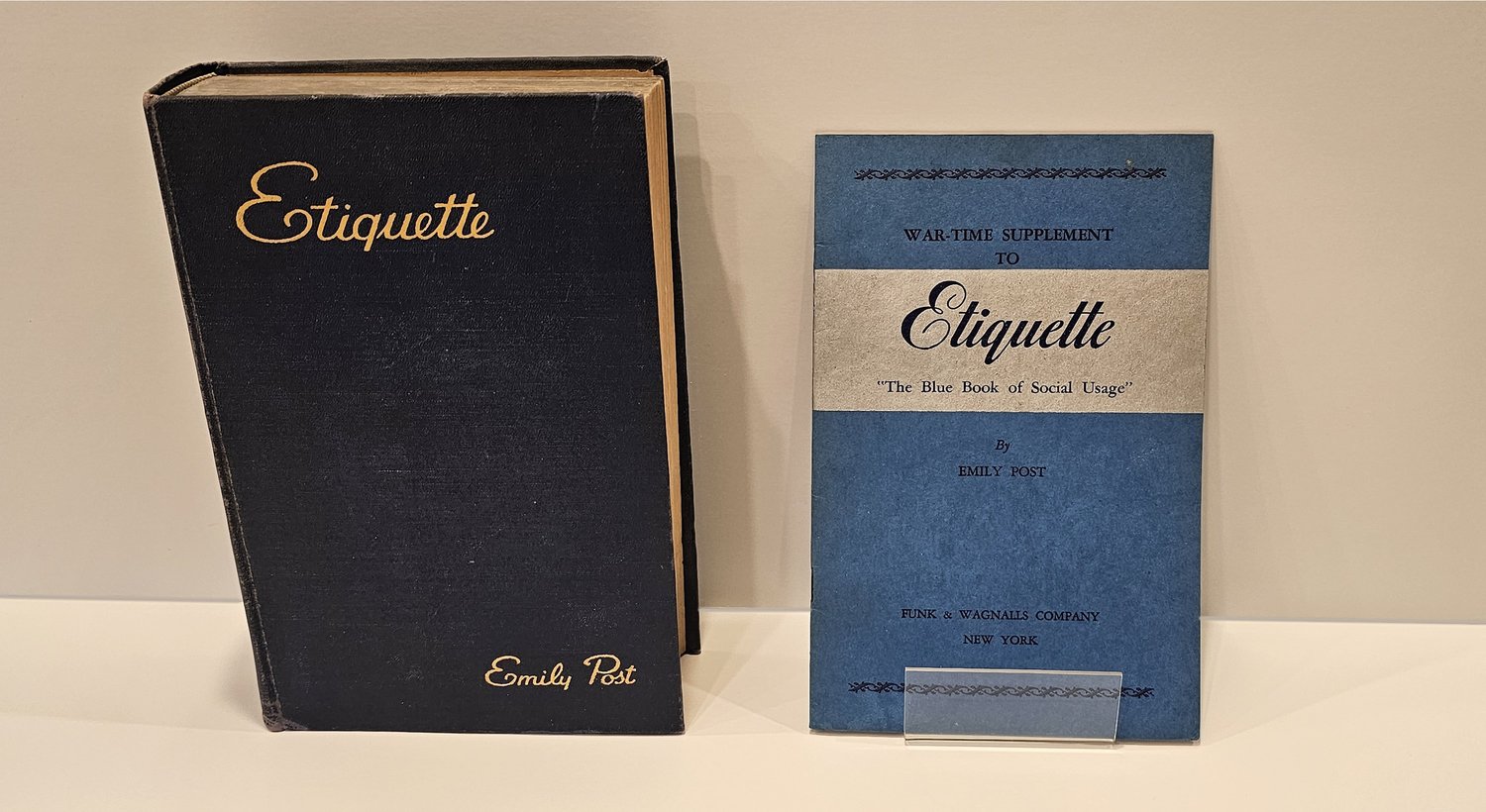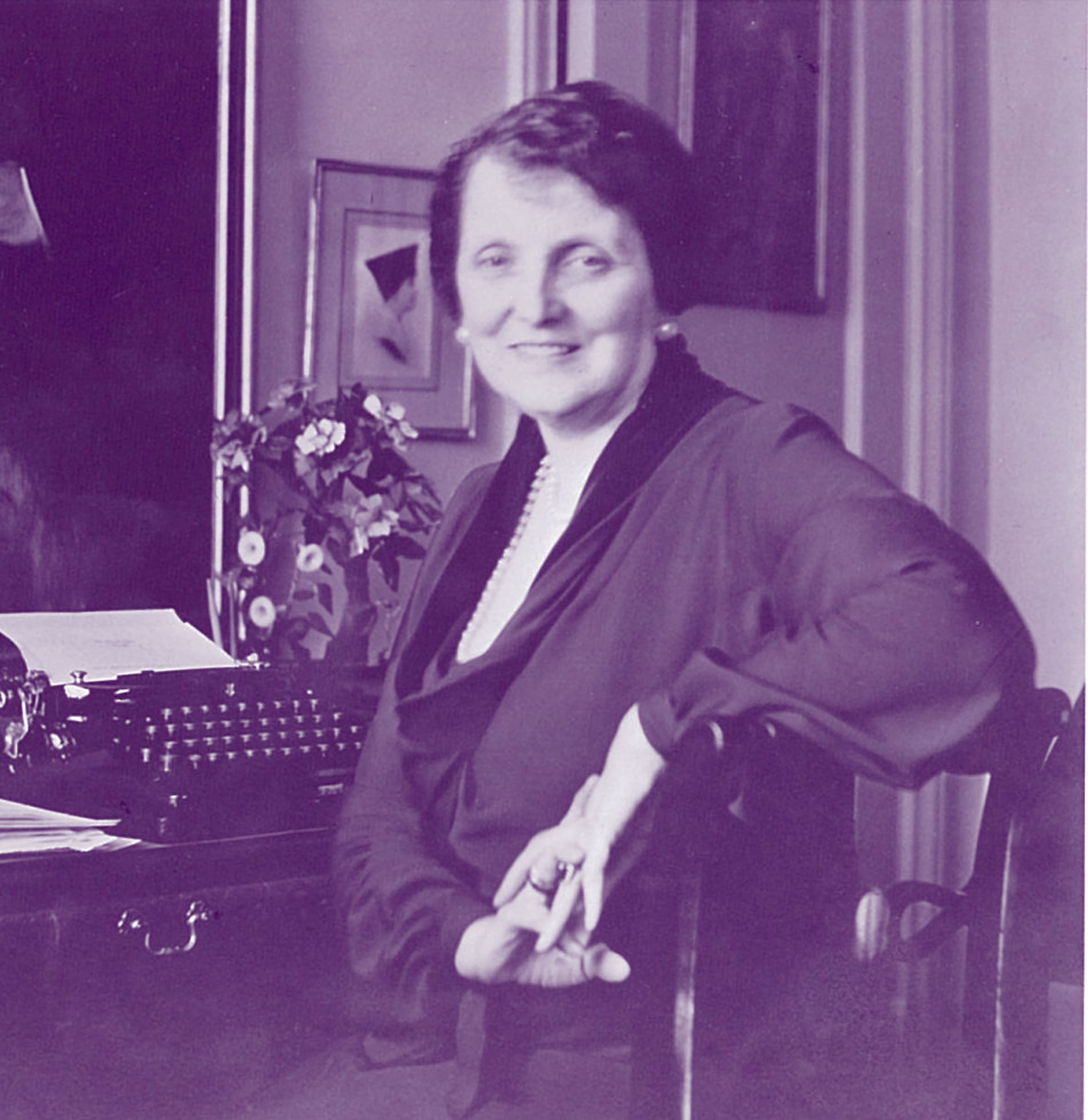
Mention Emily Post today and most people picture a stern woman counting forks, a referee of which spoon belongs to the soup. It is a strange fate for someone whose most famous sentence is, “Nothing is less important than which fork you use.” The caricature is almost the exact opposite of what she actually believed.
Born inside the rules
She was born in Baltimore in 1872, the daughter of Bruce Price, one of the most celebrated architects of his day, the man who designed Tuxedo Park, the New York enclave that gave the English language the word tuxedo. Emily grew up in the thick of the Gilded Age, among the Astors, the Morgans, and the Vanderbilts, her days shaped by cotillions and a long list of carefully delineated rituals. If anyone was raised to mistake etiquette for a cage of rules, it was her.
Bruised by them
Then her own polished world cracked. In 1905, in a scandal that played out in the newspapers, she divorced her husband after his affairs and financial ruin became public. For a woman of her standing, divorce was nearly unthinkable, and the humiliation was very public. She learned first-hand how coldly “society” could treat a person, and how little the right fork mattered when kindness was absent.
Rebuilt on kindness
When a publisher approached her in 1921 to write a book of etiquette, she refused, indignantly. She said she loathed etiquette and the people who used it to feel superior. But on reflection she realized her novels had always been about how people treat one another, and she decided to write the book on her own terms. In 1922, at the age of fifty, she published Etiquette.
It did not codify snobbery. It reframed manners as consideration. Etiquette, she wrote, is the science of living. It embraces everything. It is ethics. It is honor. The fork was never the point. The person across the table always was.
A handshake across a century
This is exactly what Kim and I taught for decades, and it is the heart of How To Be Classy In Spite of Yourself. The rules matter only as far as they help us be gentle with one another. Strip everything else away and what remains is consideration, made visible in small moments. Emily Post arrived at that truth the hard way, through a life that gave her every reason to be bitter, and she chose grace instead.
So when we came across a vintage edition of her Etiquette on a dusty bookstore shelf after decades of teaching our own seminars, it felt less like finding an old reference book and more like a handshake across a century—one teacher recognizing another. That copy, and the confidential wartime mystery hidden inside it, became a story all its own.